
How to Navigate the Immigration Office: A Complete Guide
If you’re planning to study or work abroad, visiting the immigration office is often a necessary step. Whether you’re applying for a student visa, work permit, or permanent residency, the immigration office process can be confusing. Many international applicants struggle with documents for studying abroad, visa timelines, and financial proof when dealing with the immigration office. This guide helps you navigate the immigration office efficiently and reduces the risk of delays or mistakes.
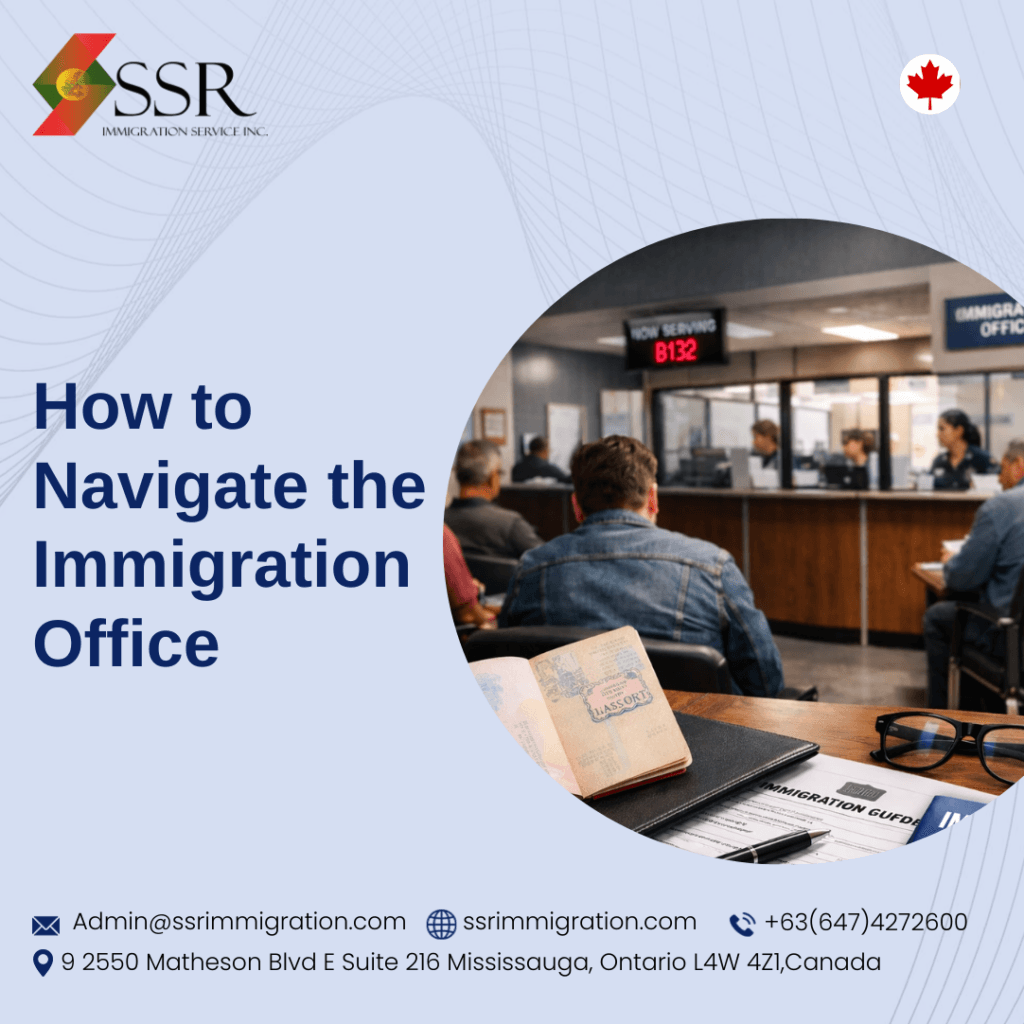
1. Prepare Your Documents in Advance
Before visiting the immigration office, make sure you have all required documents ready and organized:
- Passport and valid identification
- Completed visa or permit application forms
- Academic transcripts, degrees, or employment letters
- Statement of Purpose (SOP) or cover letter
- Letters of Recommendation (LORs) if required
- Proof of finances (bank statements, scholarship letters, or sponsorship)
Tip: Use a checklist or folder to keep everything organized. Most countries require proof that you can cover tuition at least one year of living expenses.
2. Understand the Application Process
Each country has its own immigration office rules. Research the application process online to know:
- Whether you need an appointment or can walk in
- Fees and payment methods
- Required forms and translations
- Processing timelines
Knowing the process in advance can save hours of waiting and reduce stress.
3. Schedule Appointments and Arrive Early
Some immigration offices require prior appointments. Even if walk-ins are allowed:
- Arrive early to avoid long queues
- Carry extra copies of your documents
- Be prepared for biometric scans, photographs, or interviews
Professional consultants can help you book appointments and guide you through the steps, making the process smoother.
4. Ask Questions and Clarify Doubts
Don’t hesitate to ask questions if you’re unclear about:
- Visa eligibility
- Required documents
- Processing timelines
- Additional steps after approval
Clear communication ensures you won’t miss crucial instructions and improves your chances of success.
5. Follow-Up After Submission
After submitting your application:
- Track your application online if the system allows
- Keep your receipt and reference numbers safe
- Follow any additional instructions promptly
A reliable immigration consultant can provide guidance for post-submission follow-ups and help resolve any issues quickly.
Conclusion
Navigating the immigration office can be overwhelming, but with proper preparation, research, and support, the process becomes manageable. Organize your documents, understand the procedures, and don’t hesitate to seek expert guidance.
If you need help with visa applications SSR Immigration Service experts can guide you step by step.
References
- Government of Canada – Immigration & Visas: https://www.canada.ca/en/immigration-refugees-citizenship/services/immigrate-canada.html
- U.S. Department of State – Visas: https://travel.state.gov/content/travel/en/us-visas.html
- UK Government – Immigration and Visas: https://www.gov.uk/browse/visas-immigration
- EducationUSA – Guidance for International Students: https://educationusa.state.gov